Completion of the Practical Training Program for Fourth-Level Biomedical Engineering Students: Six Months of Excellence and Professional Development
University Media
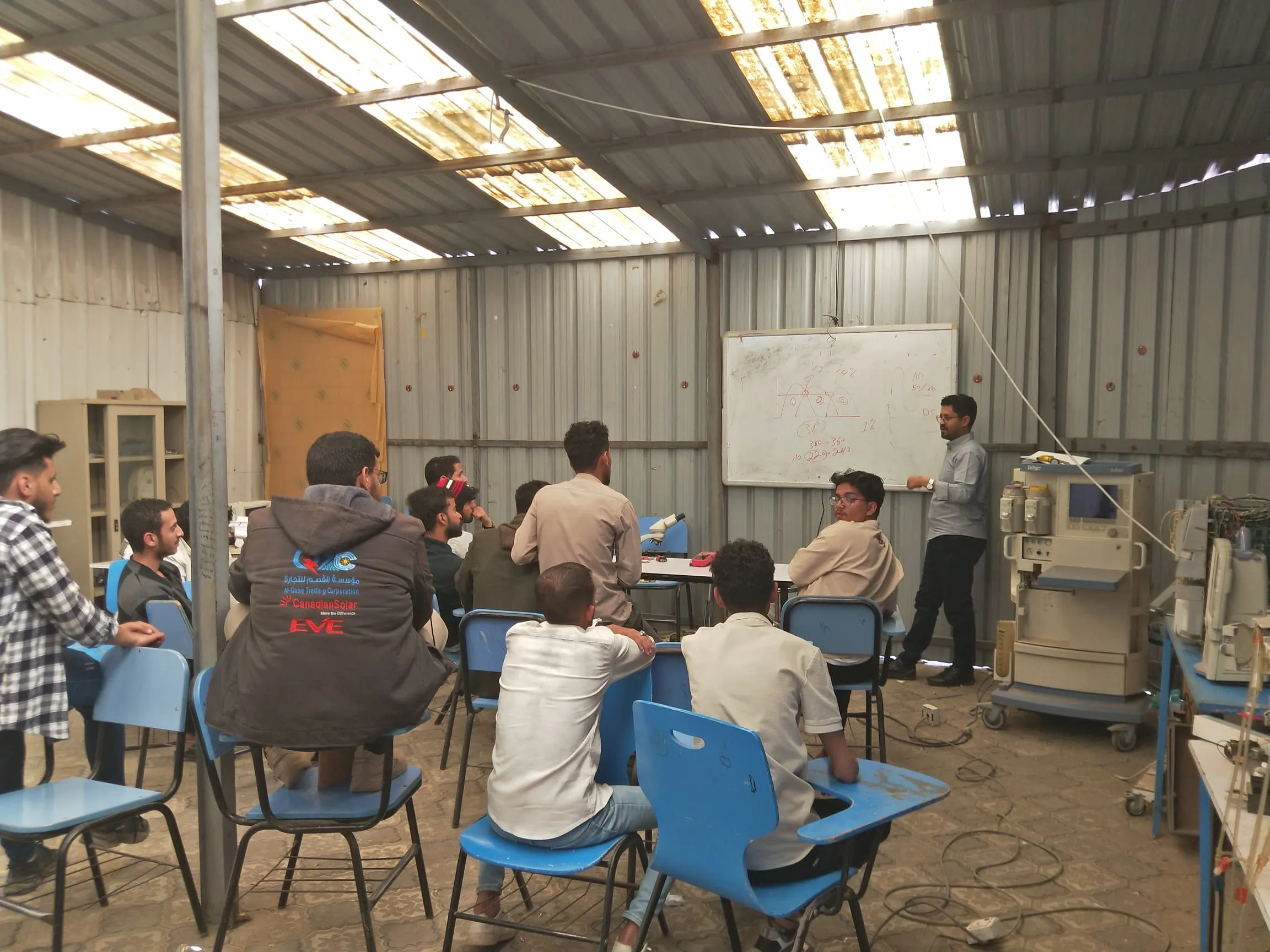
The Emirates International University concluded its practical training program for fourth-level students in the Biomedical Engineering Department. The program, implemented in collaboration with Medical Engineering Center, followed an intensive 20-week training period spanning two semesters, totaling approximately six months. This constituted a complete academic year of applied learning and field experience.
Fifty-two (52) students participated in the training program, receiving specialized training in the following courses: Medical Devices (1 & 2), Imaging Systems (1 & 2), and Medical Device Maintenance. The practical training plan aimed to transition them from the classroom to a real-world work environment and enhance their readiness for the healthcare sector job market.
The first part of the training program, lasting 10 weeks, focused on the operation and maintenance of laboratory and intensive care equipment. This phase comprised 80% practical training and 20% theoretical training covering the medical aspects of the equipment and its applications.
Among the most prominent equipment on which the students received training were:
Laboratory equipment: Sysmex 21 blood analyzer, BC-3000 blood chemistry analyzer, ELISA analyzer, Jouan centrifuge, Starlyte III electrolyte analyzer, HEMOMIX – Elcon analyzer, Erma AE-400 spectrophotometer, Olympus microscope (Japanese), and LIRRE sterilizer (Italian).
Intensive care equipment: Dreger ventilator (German), Lifepack defibrillator (American), Philips electrocardiograph (German), and Philips patient monitor (German).
The second part of the training was conducted over 10 weeks, with two days of training per week (Saturday and Monday), in addition to two weeks dedicated to intensive practical evaluation.
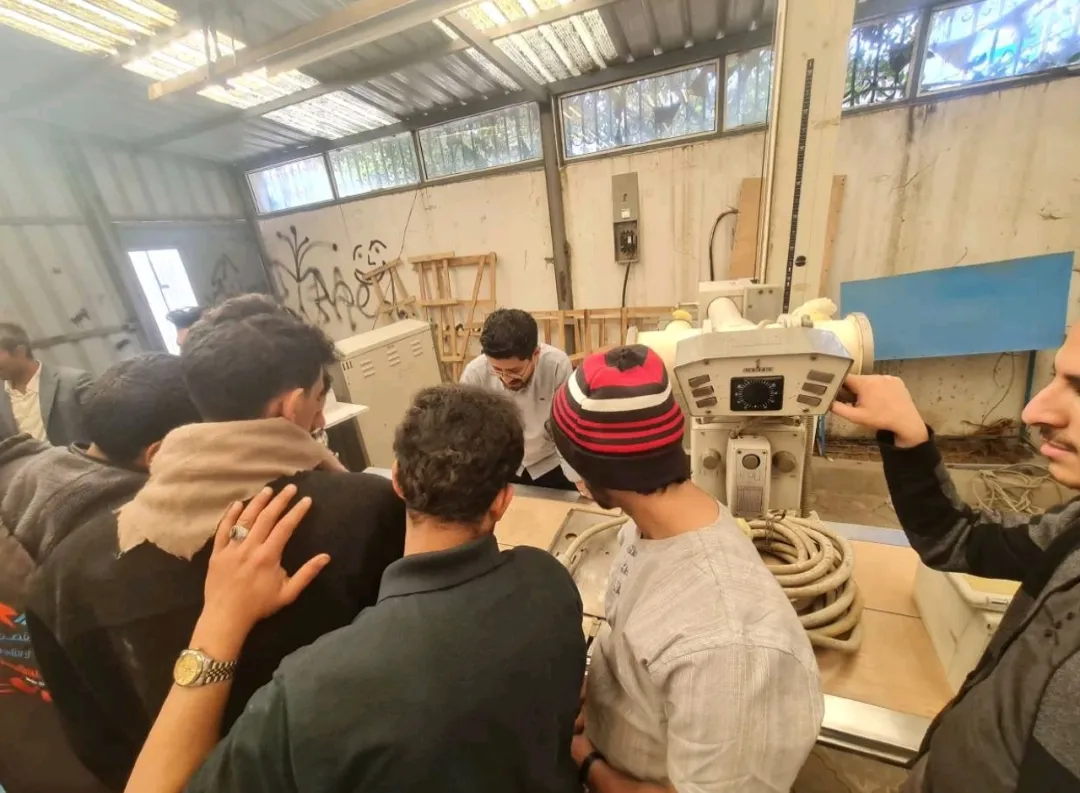
The students were divided into five groups of 10 students each to ensure maximum benefit from direct, hands-on training with medical equipment.
The second part of the training covered vital equipment in the operating rooms and diagnostic radiology departments, most notably:
First: Operating room equipment: Anesthesia Machine, Surgical Unit, Infusion Pump, Syringe Pump, and a comprehensive practical evaluation of the equipment.
Second: Diagnostic radiology equipment: X-ray Machine, Ultrasound, Hemodialysis, Dental Unit, and Medical Gas Networks, with a comprehensive practical evaluation.
The training methodology was based on a progressive, applied approach, which included: familiarizing students with the operation of the equipment and understanding its working principles; opening the equipment and identifying its internal and external components; training in troubleshooting and repairing common malfunctions; working with software menus and adjusting settings; reading error codes and messages; using maintenance manuals; conducting a final practical evaluation for each device; and submitting grades and approved reports.
The training was conducted at the College of Engineering and the center's workshop, during morning (9:00 AM - 1:00 PM) and afternoon (2:00 PM - 5:00 PM) sessions, according to a schedule that took into account the students' study plan.
The training program was conducted by specialized biomedical engineers: Eng. Muath Al-Shaabi, Eng. Ahmed Al-Hashibri, Eng. Osama Habajah, and Eng. Ibrahim Hamza. It was carried out under the direct and continuous supervision of the Head of the Biomedical Engineering Department, Dr. Mohammed Al-Alfi, and with the follow-up of the department's teaching assistant, Eng. Ismail Ghallab, along with the training center management and the program coordinator.
This training program represents a practical model for integrating academic knowledge with field application. It reflects the university's commitment to graduating engineers with the technical competence and ability to operate and maintain vital medical equipment, thus contributing to supporting the healthcare sector and raising the quality of medical services.
Six months of intensive training were not merely practical hours, but a true journey of preparing biomedical engineers capable of handling the most sophisticated equipment, diagnosing the most complex malfunctions, and working confidently in hospital and medical center environments.
#EmiratesInternationalUniversity
#ModernityExcellence
#EIU